
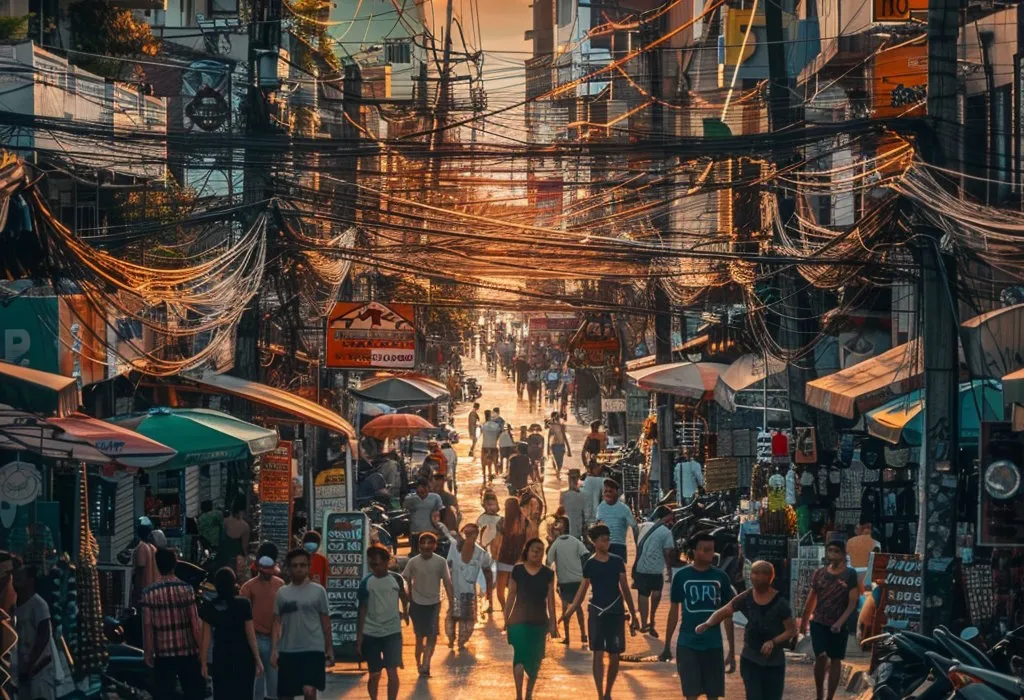

SMEs in the Philippines
Small and Medium Enterprises (SMEs) are the backbone of the Philippine economy, playing a crucial role in driving growth, innovation, and employment. These enterprises, often characterized by their agility and adaptability, significantly contribute to the country’s economic development. In this blog post, we will explore the impact of SMEs on the Philippine economy, supported by statistics, case studies, and an analysis of their contributions to economic growth.
The Economic Significance of SMEs in the Philippines
SMEs are a vital component of the Philippine economy. According to the Department of Trade and Industry (DTI), SMEs account for 99.5% of all registered businesses in the country. They contribute to around 63% of the total employment and 35.7% of the total value added to the economy. These figures underscore the importance of SMEs in providing jobs, generating income, and fostering economic activity across various sectors.
Key Contributions of SMEs to the Economy
1. Employment Generation:
SMEs are major employers in the Philippines, providing jobs to millions of Filipinos. By creating employment opportunities, especially in rural and underserved areas, SMEs help reduce poverty and promote inclusive growth.
Statistics:
• SMEs employ around 5.7 million people, contributing significantly to the country’s labor market.
• They account for approximately 63% of the total workforce.
2. Innovation and Entrepreneurship:
SMEs are often at the forefront of innovation, bringing new products, services, and business models to the market. Their ability to adapt quickly to changing market conditions and customer needs drives competition and fosters a dynamic business environment.
Case Study:
• Rags2Riches (https://r2r.ph/): A social enterprise founded by Reese Fernandez-Ruiz, Rags2Riches collaborates with local artisans to create eco-friendly fashion and home products. The company not only innovates in sustainable design but also empowers communities by providing livelihood opportunities.
3. Regional Development:
SMEs play a crucial role in regional development by stimulating economic activity in various parts of the country. They help decentralize economic growth, ensuring that development is not concentrated in urban centers alone.
Case Study:
• Cacao de Davao (IG): An SME based in Mindanao, Cacao de Davao, has contributed to the regional economy by promoting the cultivation and processing of high-quality cacao. This enterprise has created jobs and boosted local agriculture, making Mindanao a key player in the Philippine cacao industry.
4. Export Promotion:
Many SMEs in the Philippines are involved in export activities, contributing to the country’s foreign exchange earnings. By tapping into international markets, SMEs enhance the country’s trade balance and showcase Philippine products globally.
Statistics:
• SMEs contribute around 25% to the country’s total export revenues.
• They participate in various industries, including agriculture, manufacturing, and services.
5. Resilience and Adaptability:
SMEs are known for their resilience and ability to adapt to economic challenges. During the COVID-19 pandemic, many SMEs quickly pivoted their business models to survive and even thrive, demonstrating their crucial role in economic recovery.
Case Study:
• Proudly Promdi (https://proudlypromdi.com/): A small enterprise that shifted its operations to online platforms during the pandemic, Proudly Promdi promotes local products from various regions of the Philippines. This pivot not only sustained the business but also supported local artisans and producers during challenging times.
Running an SME in the Philippines?
SMEs drive the economy, but accessing the right financing is one of the biggest hurdles. Kredit Hero matches your business with 40+ Philippine lenders in a single application. Free, no commitment.
Compare SME loan options →Analysis: How SMEs Drive Economic Growth
1. Economic Multiplier Effect:
The activities of SMEs have a multiplier effect on the economy. By creating jobs, generating income, and stimulating demand for goods and services, SMEs drive economic growth. Their success leads to increased consumer spending, which further fuels economic activity.
2. Supply Chain Integration:
SMEs are integral parts of larger supply chains, providing essential goods and services to bigger corporations. This integration enhances productivity and efficiency across the economy, contributing to overall economic growth.
3. Inclusive Growth:
SMEs promote inclusive growth by reaching underserved markets and populations. Their presence in rural areas and small towns ensures that the benefits of economic development are widely distributed, reducing regional inequalities.
4. Entrepreneurial Ecosystem:
The success of SMEs fosters a vibrant entrepreneurial ecosystem. By inspiring other entrepreneurs and attracting investments, SMEs create a conducive environment for new businesses to emerge and grow, further driving economic expansion.
Need working capital to seize an opportunity?
Hiring, expanding, or managing cash flow gaps: working capital financing can be the difference between growth and stalling. Kredit Hero matches you with lenders that specialize in SME working capital, fast.
Explore working capital loans →Conclusion
SMEs are indispensable to the Philippine economy, driving growth, innovation, and employment. Their contributions span various sectors and regions, making them key players in the country’s economic development. By supporting SMEs through favorable policies, access to financing, and capacity-building initiatives, the Philippines can further harness the potential of these enterprises to achieve sustained and inclusive economic growth.
At Kredit Hero, we are committed to empowering SMEs by providing innovative financial solutions and support. We believe that by nurturing the growth of SMEs, we can contribute to a more prosperous and resilient Philippine economy. As SMEs continue to thrive, they will undoubtedly play a pivotal role in shaping the future of the nation, creating opportunities, and driving progress for all.